Research
Research in our lab integrates basic studies on the biology, ecology and behavior of vegetable insect pests and pathogens with applied studies utilizing both novel and traditional pest management approaches. Please contact us if you are interested in collaborating on any of our ongoing projects.
A major component of our work involves performing contracted research trials, generally evaluating the efficacy of registered or experimental insecticides for insect pest management in commercial vegetable production. Summaries of these trials are available on our Field Trials page, or view our list of published journal articles on our Publications page.
Broadly, our research efforts touch on several major themes:
- Colorado potato beetle: insecticide resistance, ecology, and management
- Potato virus Y: management, including aphid vector research and phenology modeling
- Aster yellows phytoplasma: epidemiology, management, and molecular research
- Environment: environmental fate of insecticides including water quality issues and non-target effects
- Pest management: Advancing best practices in vegetable cropping systems
1. Colorado potato beetle: insecticide resistance, ecology, and management
Spatial ecology of Colorado potato beetle resistance
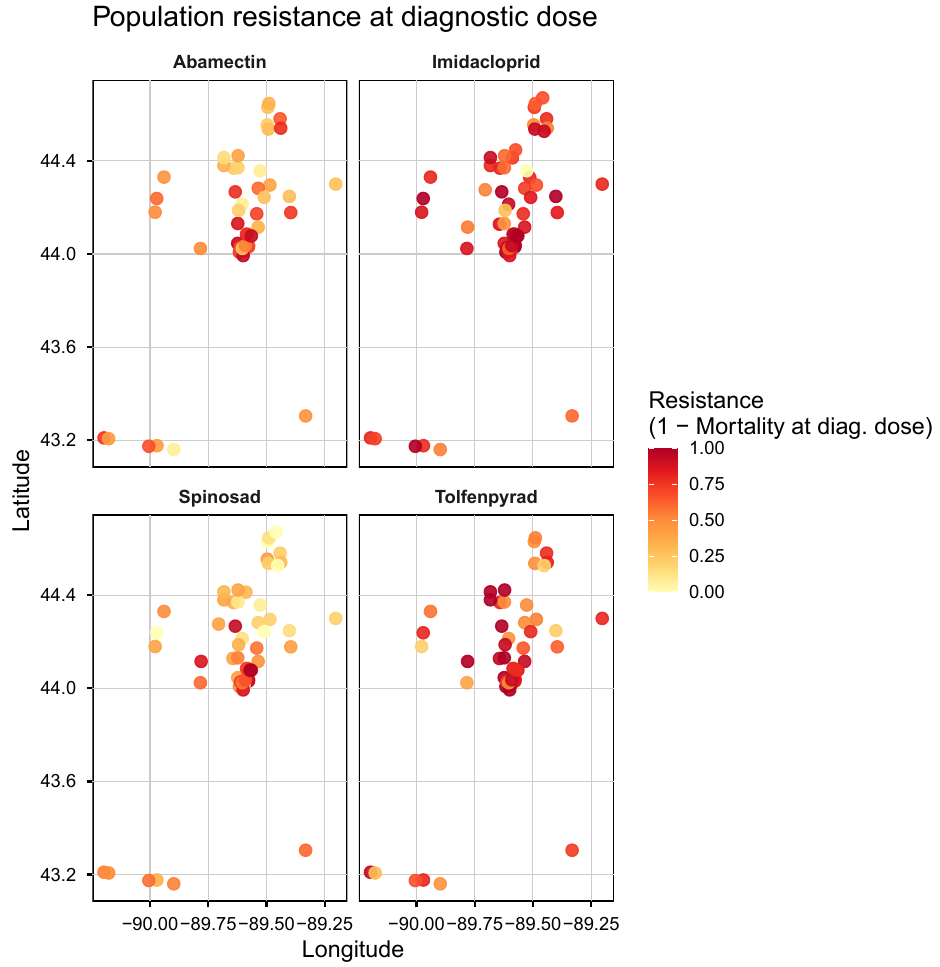
Landscape-scale intensification of individual crops, and the pesticide use associated with that intensification, is an emerging environmental problem expected to have unequal effects on pests with different lifecycles, host ranges, and dispersal abilities. We asked whether intensification of a single crop in an agroecosystem has a direct effect on insecticide resistance in a specialist herbivore by measuring imidacloprid resistance in Leptinotarsa decemlineata populations across a spatiotemporal potato production gradient in Michigan and Wisconsin. Concurrent estimates of the area and temporal frequency of potato production described patterns of imidacloprid resistance among populations better than general measures of agricultural production such as percent cropland or landscape diversity. We are learning that variation in the intensity of neonicotinoid-treated potato within an agricultural landscape can have unequal impacts on L. decemlineata insensitivity, a process that can lead to resistance and to locally intensive insecticide use.
Molecular mechanisms of Colorado potato beetle resistance
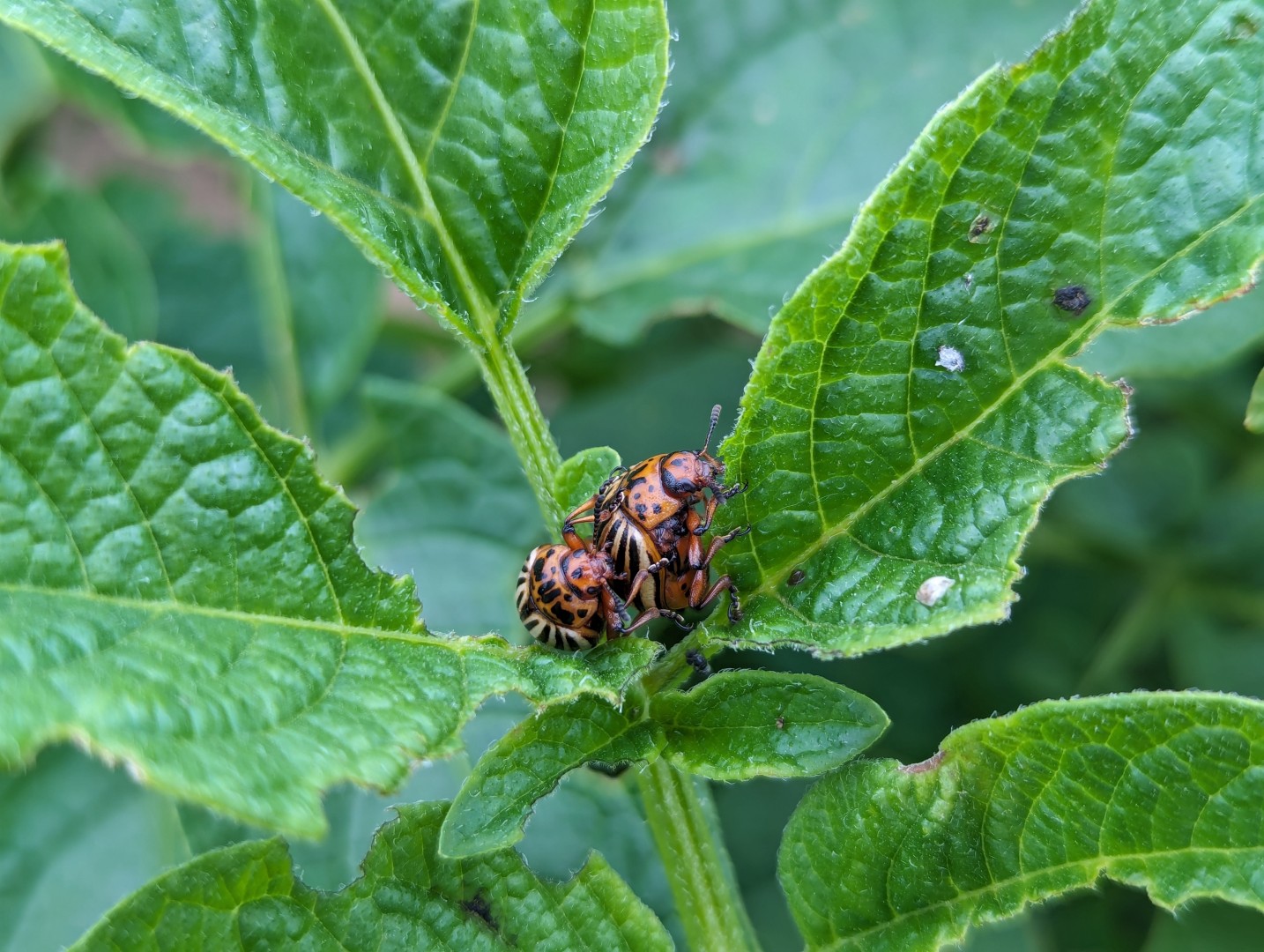
An important challenge in understanding L. decemlineata resistance is assessing the genetic mechanisms associated with resistance and classifying up-regulated genes that may be involved in combating an insecticide. By estimating LC50 values among field populations exposed to a range of imidacloprid doses, we have uncovered trends in phenotypic response that have developed in Central Wisconsin. Values collected in 2008-2011, and more recently in 2013 and 2014, show that some field locations remain susceptible while nearby fields (<100 km) have developed high levels of resistance. To identify the mechanisms underlying these differences, we compiled a transcriptome for populations characterized as phenotypically susceptible and resistant by isolating mRNA from adult beetles and analyzing differences in gene expression. Strong differences were observed in constitutively up- and down-regulated genes among populations, and the up-regulation of three cytochrome p450s and a glutathione synthetase related protein in multiple resistant populations provides a mechanistic explanation of resistance evolution in CPB.
New insecticide technology for control in potato insect pest management
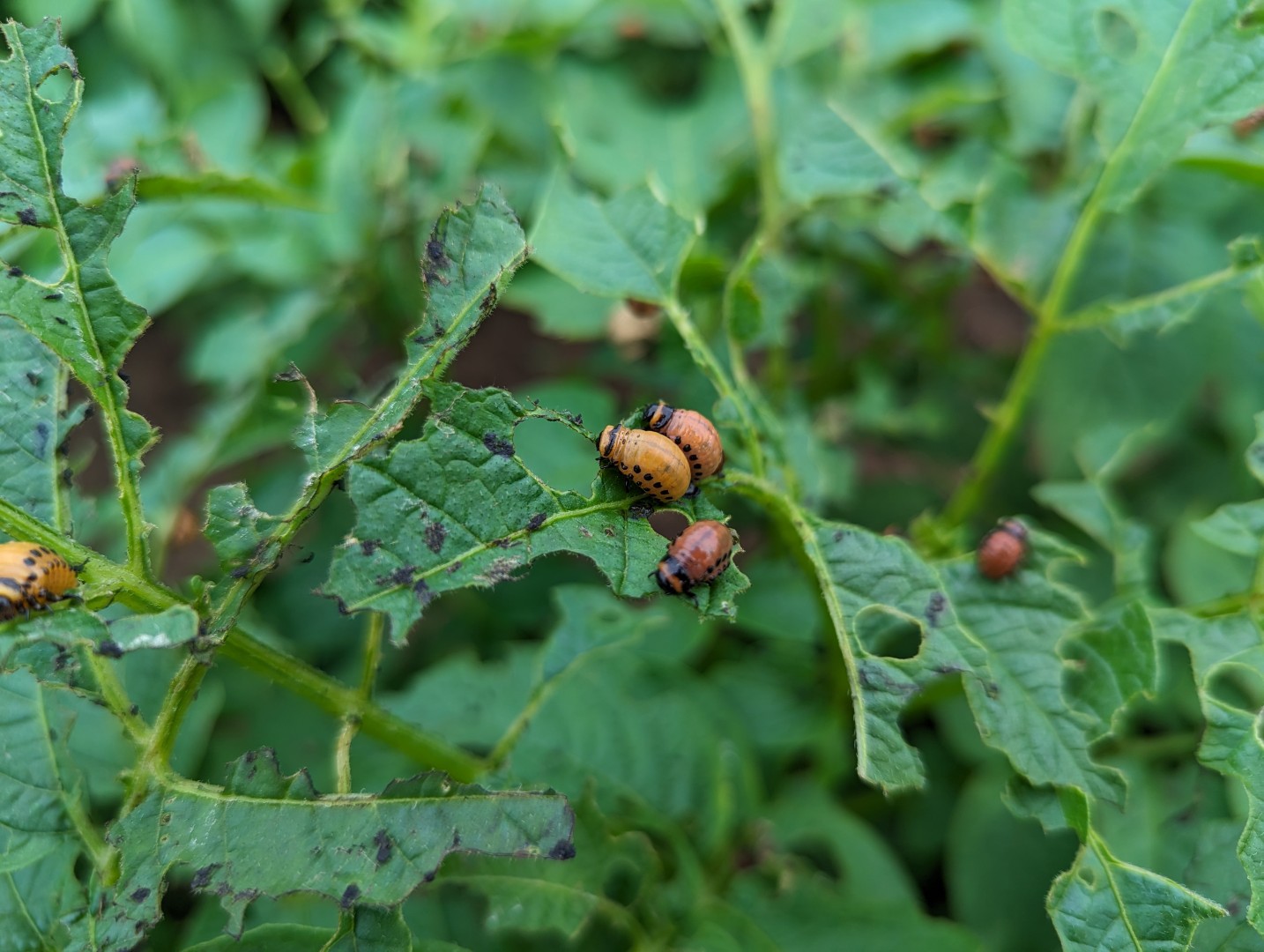
The Colorado potato beetle continues to be the most serious insect pest of commercially produced potatoes in the Central Sands region of Wisconsin, largely as a result of its resistance to several registered insecticides, and it causes damage as a defoliator in both the adult and larval stages. Non-chemical control options are often limited in scope: cultural manipulations such as crop rotation can be effective in delaying infestations and decreasing their severity, and trap crops or physical barriers such as trenches have been employed successfully in other growing regions, but following infestation, biological regulation by predators, parasitoids, and other beneficial insects is usually ineffective and growers must rely on chemical control to prevent economic damage. The beetle must therefore be managed primarily with insecticides, and chemical management programs should be designed to keep populations below damaging levels while avoiding problems associated with resistance, non-target toxicity, environmental degradation, and worker safety. This project tests different chemical management programs using both registered and experimental insecticides.
Overwintering habitats of the Colorado potato beetle in Wisconsin’s Central Sands production area
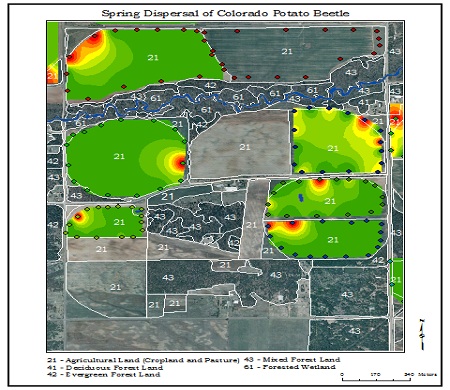
Documenting localized Colorado potato beetle movement improves our understanding of how this pest interacts with landscapes beyond the crop, and identification of preferred overwintering sites provides the research-based information needed to more feasibly and economically apply cultural management tools such as rotation, trap crops, and perimeter sprays. In temperate production regions, preferred overwintering, or diapause, sites are thought to lie outside production fields and along field margins, with late-season movement toward prominent dark, vertical landscape features such as windbreaks and adjacent forested edges. This project documented and quantified bordering landscape elements serving as potential overwintering habitats, consistent with the Natural Resource Initiatives, Managed Ecosystems Project, and attempted to document the movement and dispersal patterns of overwintered adult beetles from these areas. Determining which non-crop communities are preferentially selected by CPB in the Central Sands is advantageous because unmanaged fallow areas may create quality overwintering conditions while providing few services, because native plant communities identified through the USDA’s Natural Resource Initiatives program may provide positive ecosystem services such as biological control, and because characterizing landscapes consistently associated with CPB will promote more effective management solutions.
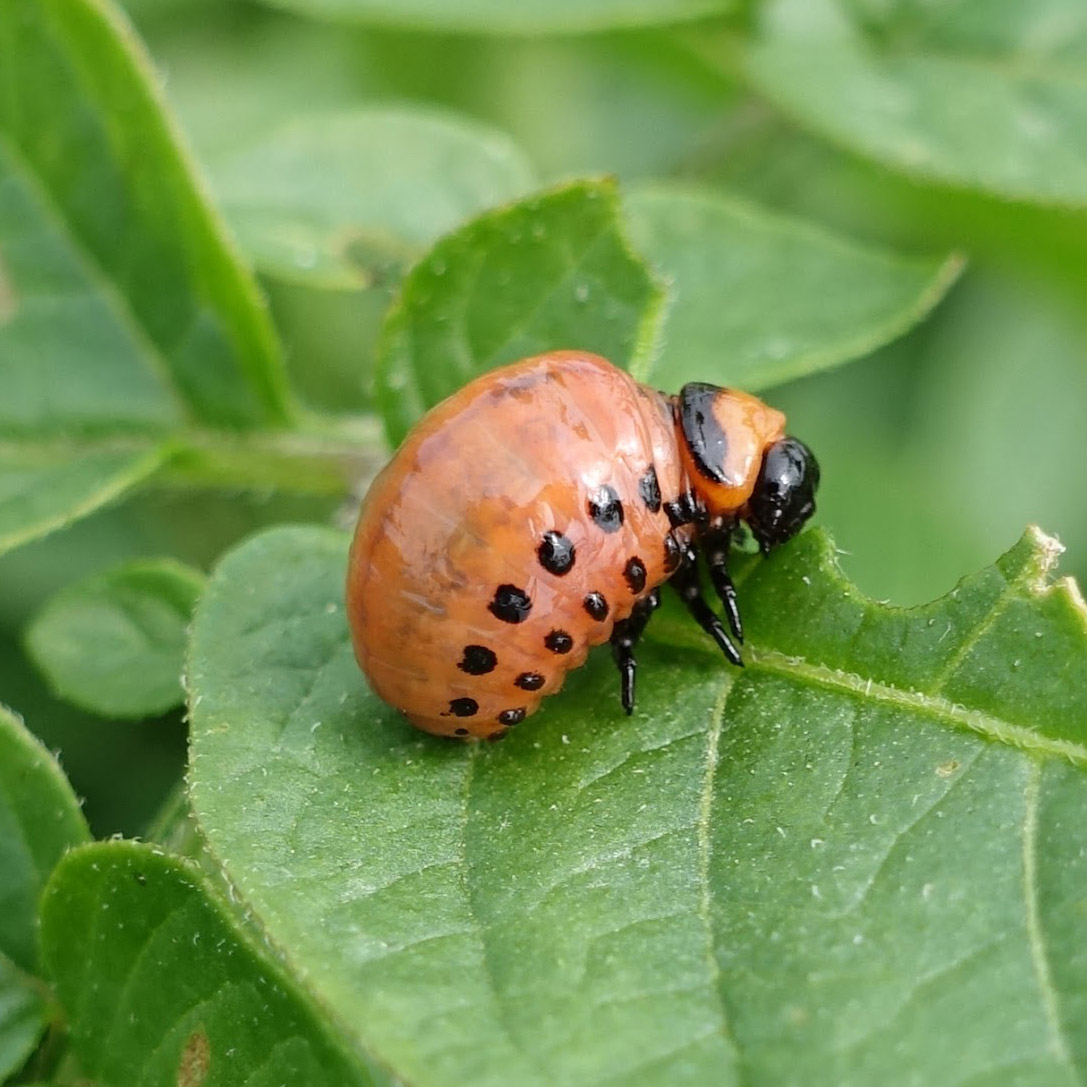
Colorado potato beetle insensitivity to neonicotinoids
This project was directed at further enhancing our present integrated pest management strategies for key insect pests in potato, with a focus on the development of integrated chemical, biological, and cultural management practices. A primary focus of the work was to accurately identify pest management strategies that reduce the total number of insecticide applications, limit the onset or development of insecticide resistance, and provide novel or refined tactics for the sequence of insect control measures implemented. An emphasis of this project was to document the occurrence of and increases in neonicotinoid resistance among populations of Colorado potato beetle while providing practical guidance toward implementing an appropriate insecticide resistance management program. Its objectives were designed to address the knowledge gaps that must be filled if we are to devise both short- and long-term sustainable management plans for the key insect pests in potato.
2. Potato virus Y and its aphid vectors
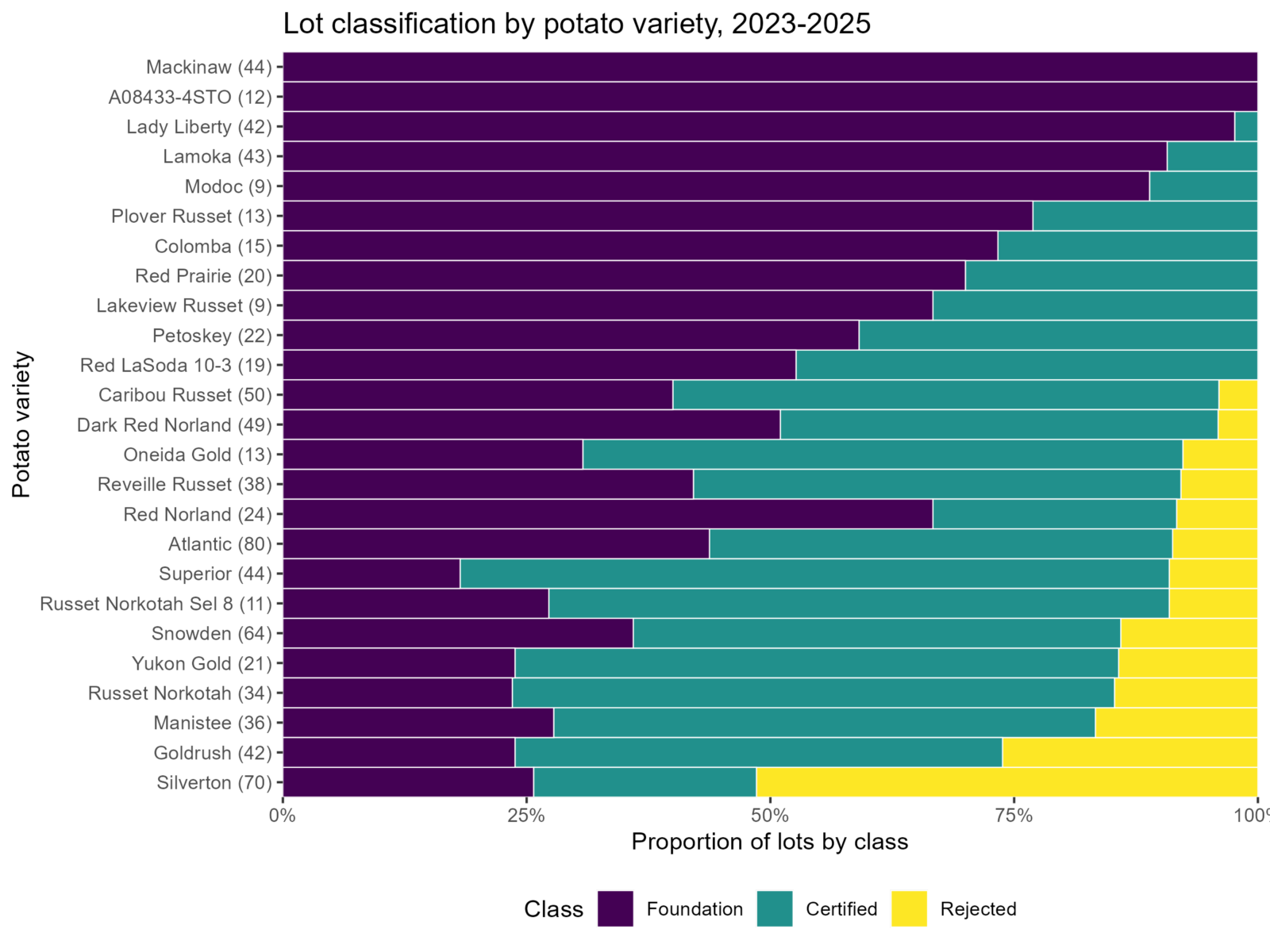
Non-neonicotinoid and cultivar-specific PVY management practices
This research seeks to evaluate applied management strategies for Wisconsin seed potato growers. Starting with an investigation into the application of first principles of disease management including early vine killing and spatial isolation for the PVY pathosystem. Next, we wish to deepen the understanding of the phenomenon of mature plant resistance and determine its role in PVY infection and translocation and assess its relevance for changing management practices. To aid seed potato producers in overcoming potential future regulatory constraints, we will evaluate the performance of non-neonicotinoid insecticide management programs through multi-state field investigations. Finally, we will complete a retrospective analysis of the 2025 and 2026 seed production seasons in Wisconsin by joining the results of the Wisconsin Seed Potato Certification Program’s (WPSCP) post-harvest PVY evaluation with grower management practices to determine influential factors on the development and spread of PVY in the state.
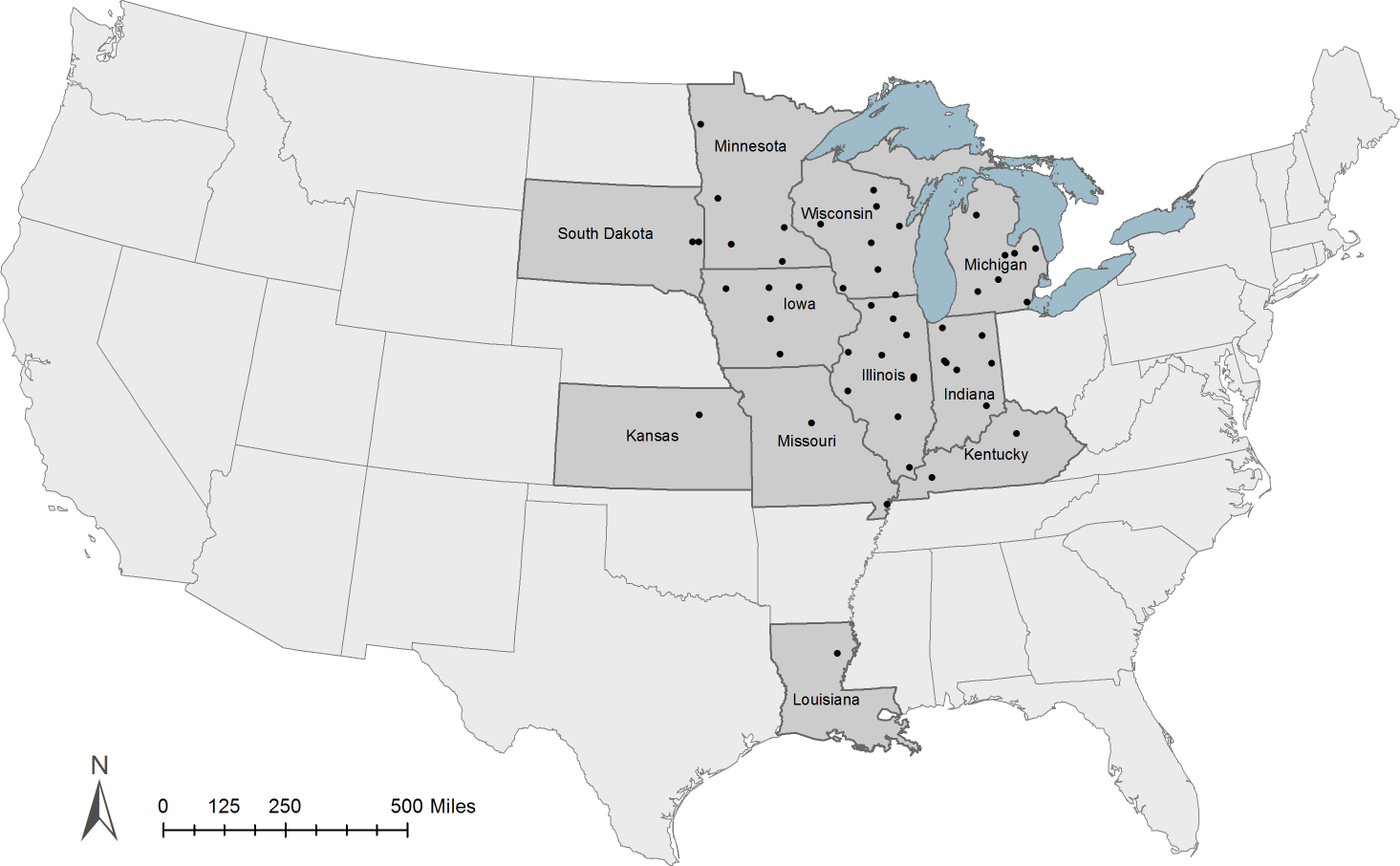
North Central Regional Aphid Suction Trap Network
The North Central Regional Aphid Suction Trap Network is an ongoing effort aimed at collecting and characterizing aphid species occurrences across the central and upper Midwest from 2005 to the present. The network currently has 30 active sites in 11 states, though 49 unique sites have at some point been active. Aphid samples are collected weekly from active suction traps and counts are generated for each species present, providing the publicly held, regional and national data that inform which aphid species are moving into susceptible seed potato.
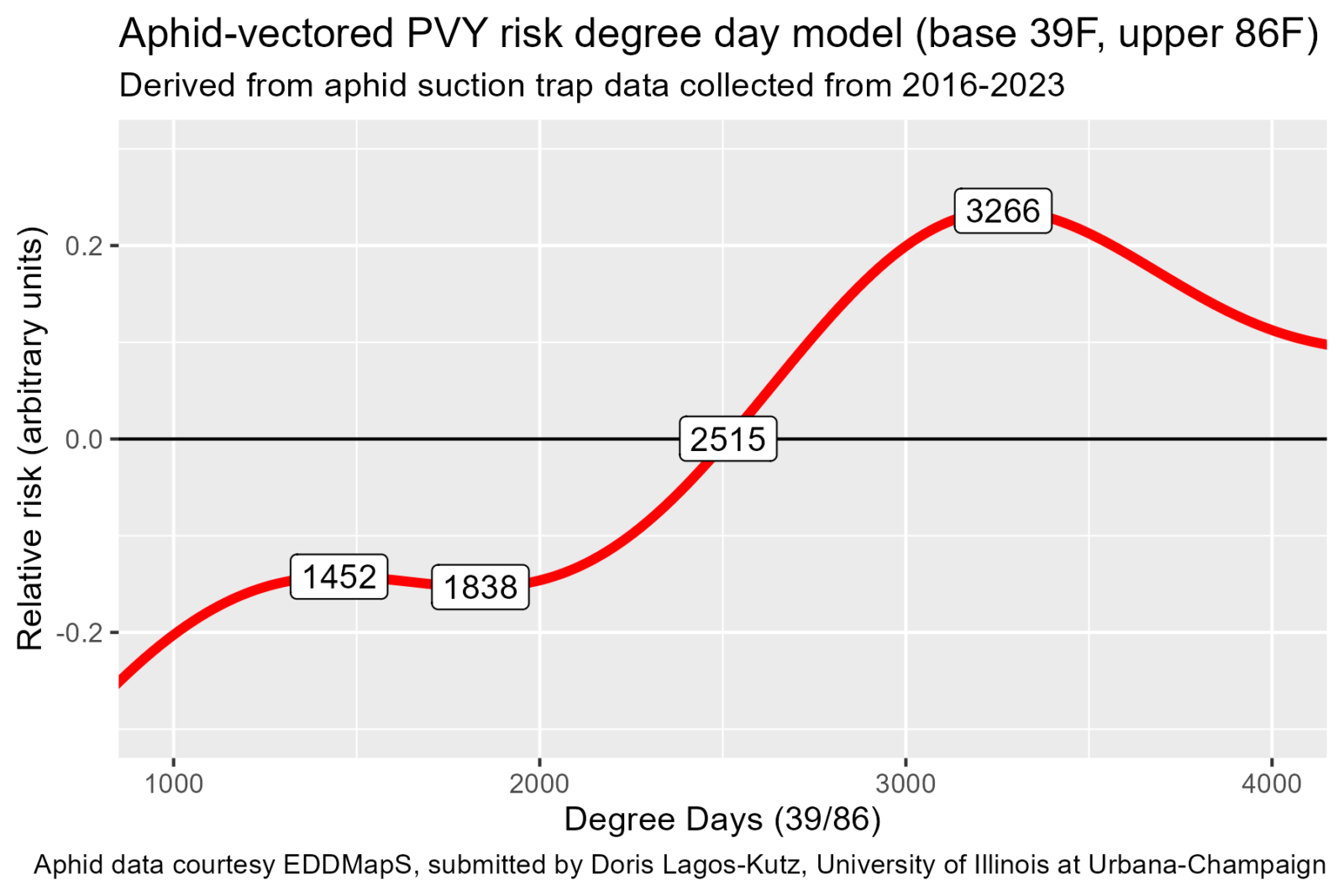
Phenology of aphid vectors of potato virus Y
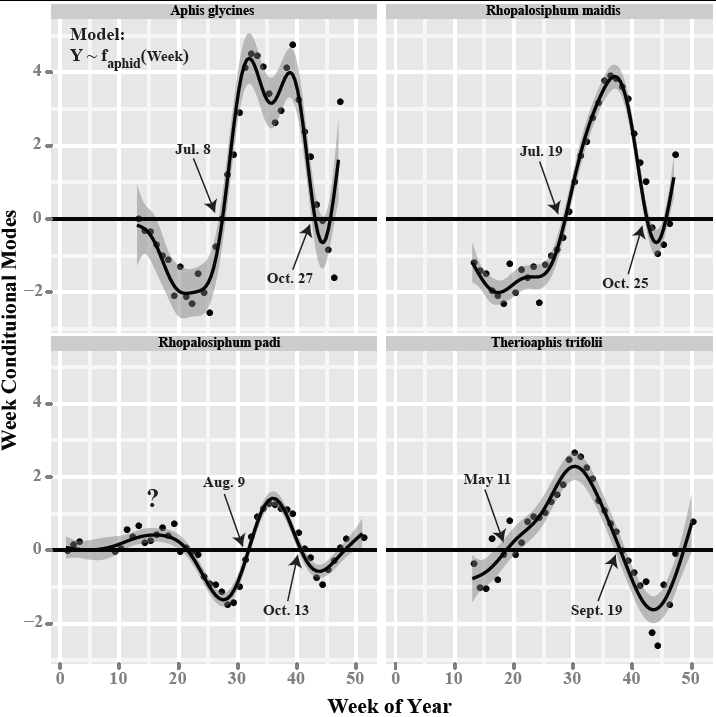
Potato virus Y is the most important disease issue facing the seed potato industry and it is having an impact on the commercial industry, reducing yield and tuber quality but, more importantly, reducing farm income because seed lots cannot meet virus tolerance limits and because emerging necrotic strains reduce trade market opportunities. Effective on-farm management has been realized through our efforts to reduce the potential for aphids to inoculate plants, an effort complicated by increasing aphid populations following the establishment of the soybean aphid (Aphis glycines) in the U.S. in the early 2000s. Data were compiled from the North Central Region Aphid Suction Trap Network spanning 8 years (2005-2013) and 45 locations, comprising over 200 aphid species and nearly 785,000 individual captures in the upper Midwestern U.S. Suction trap information was first standardized for each year, location, and week using a random effects modeling approach, and generalized additive models were then fit to the resulting conditional modes, representing de-seasonalized count data, to very effectively predict the phenology of each unique aphid species. The major outcome of this research was the ability to accurately determine the seasonal phenology of dispersing aphid vectors and further limit the risk of PVY transmission by timing applications of aphid anti-feedants; Wisconsin Seed Certification quality results have steadily increased over the past 8 years. This research was supported by a USDA NIFA SCRI award in 2009 and has resulted in three peer-reviewed publications from our laboratory. New directions have again been supported by the USDA NIFA SCRI program through 2014 funding to investigate necrotic virus diseases that limit high quality seed production, with our specific objectives being to determine how local landscape and agricultural crop composition influence the species assemblage and diversity of aphid vector flights, and to further develop our GAMM models to accommodate meteorological variance components.
Seasonal flight dynamics of aphid species in occurrence with potato virus Y infection in commercial potato fields
Potato virus Y, once managed effectively by strict seed certification practices, has re-emerged as a serious disease problem in the seed potato crop in many areas of the United States and Canada, and new variants that cause tuber necrosis further threaten tuber quality in both seed and commercial crops. Managing levels of PVY in seed and eliminating tuber necrotic strains will require an adjustment of seed certification practices and a more aggressive use of on-farm management strategies by both seed and commercial growers. The goal of this project has been to document the seasonal phenology of aphid vector species and their relationship to PVY incidence in the field using replicated Wisconsin field plots established with green tile pan traps and sentinel potato plants. Sentinel plants were left in the field for a week and then held in an aphid-proof greenhouse for disease development and detection by membrane ELISA, while aphids were collected from pan traps over a similar sample interval and identified to species. Correlating aphid movement with PVY disease progress will help define the relative importance of specific aphid vectors in driving recent disease cycles and, moreover, define the periods of greatest risk for transmission and the necessity for deployment of targeted best management practices to limit PVY spread.
Long-term storability of potato virus Y infected tubers
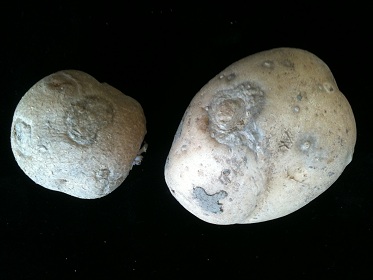
In recent years, potato virus Y has reemerged as a serious disease problem in many potato production areas in the northern United States and eastern Canada. Asymptomatic cultivars that express mild or no symptoms when infected, combined with an increase in recombinant strains of this virus, prevent accurate field identification and rouging of infected plants. There is a lack of effective strategies to reduce the incidence of infected plants and tubers, and a need to improve cost-effective methods of determining PVY levels in seed lots and to further understand the impact of current-season infection on tuber storage and quality attributes. Limited information currently exists to document the impact of infection on tuber storage performance, and in the first year of preliminary research we documented significant reductions in storage quality parameters including percent solids and shrinkage. This area of investigation seems extremely important toward limiting continued storage losses and further assessing the impact of plant disease on seed tuber physiological age.
3. Aster yellows phytoplasma and the aster leafhopper
Phytoplasma effectors and their role in aster yellows epidemiology
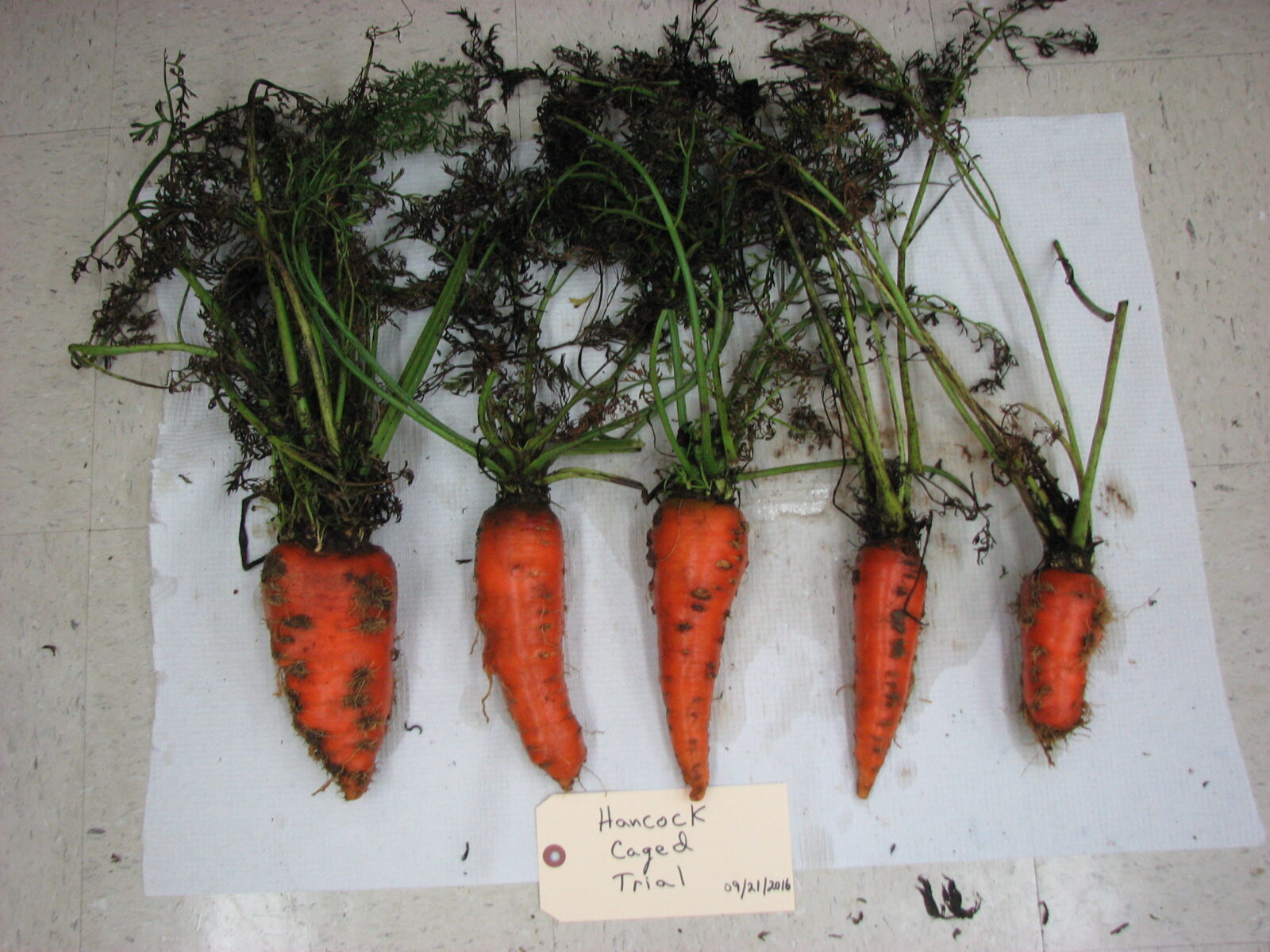
We have recently discovered that AYp virulence proteins, or effectors, interact with and degrade specific plant transcription factors conserved among plant species, resulting in changes in leaf shape, stem proliferation (witch’s brooms), and flowers that transform into leaves (phyllody). These symptoms are commonly observed in a wide range of infected plant species, suggesting that the effector genes constitute a considerable contribution to AYp epidemiology. Symptomatic plants are often sterile, but they are more attractive and better reproductive hosts for the leafhopper vectors that acquire the phytoplasmas and transmit the parasites to plants. Thus, AYp effector genes have a long reach: they potentially drive epidemics by interacting with conserved plant transcription factors, altering plant development, increasing plant susceptibility to polyphagous insect vectors, and modulating vector behavior in ways that, taken together, may well empower these phytoplasmas to infect many plant species and spread over great distances.
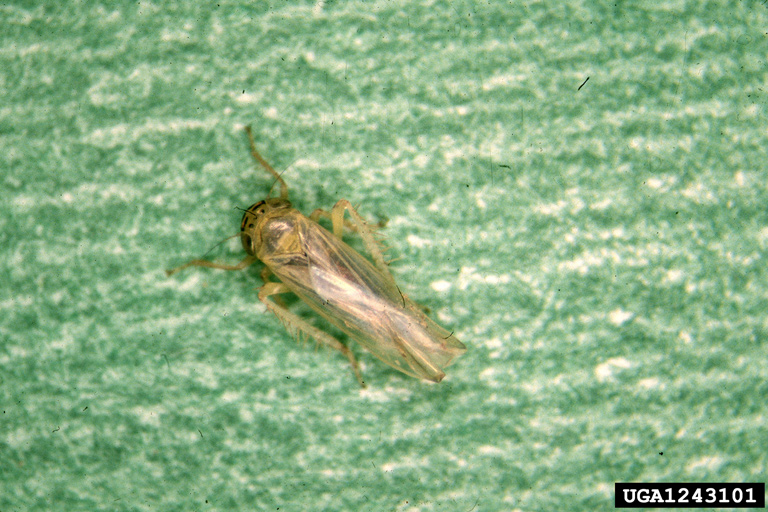
Photo: Whitney Cranshaw, Colorado State University, Bugwood.org
Determining risk intervals for transmission of aster yellows phytoplasma
This project was directed at further enhancing our present understanding of the epidemiology and temporal patterns of aster yellows phytoplasma transmission dynamics in Wisconsin muck crops. These AYp strains are transmitted by Macrosteles quadrilineatus, the aster leafhopper, which has emerged as a dominant insect pest in susceptible carrot crops due to its ability to vector the pathogen; the phytoplasma has a complex pathogenic relationship with a diverse host range including both monocots and dicots, and is transported into Wisconsin with a vector that makes long distance flights from southern latitudes. We specifically examined factors that contribute to the variability of aster leafhopper abundance and infectivity and subsequently identified residual trends in these seasonal patterns that could be directly modeled. Nonparametric regression and additive mixed models were used to allow for nonlinear relationships between responses and multiple predictor variables, with the outcome of successfully identifying periods of the growing season when crop protection is most needed. For integrated pest management practitioners, the identification of temporal trends of abundance and infectivity greatly improved their ability to determine when potentially inoculative leafhoppers were present in susceptible carrot.
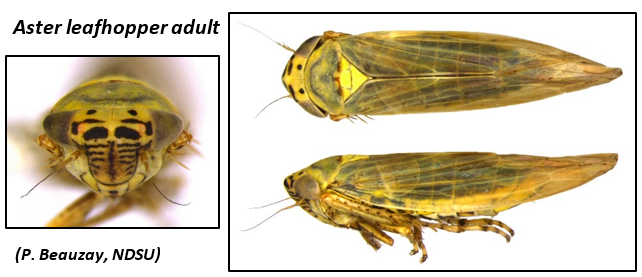
Photo: P. Beauzay
Seasonal infectivity of aster leafhoppers in carrot
Each year, Wisconsin growers produce carrots on an average of 4,200 acres grossing over $6 million in revenues, and those fields are threatened annually by aster yellows phytoplasma, which is obligately transmitted by the aster leafhopper. Current control practices strictly utilize insecticide sprays targeting the leafhopper, with spray timing guided by an aster yellows index based on the proportion of infective leafhoppers present in a field at a given point in time. Crop scouting and molecular diagnostic tools have decreased the inherent lag between finding inoculative leafhoppers and prescribed sprays, yet yield losses of 5-20% remain commonplace, and a more comprehensive, sustainable, multi-tactic strategy is warranted to lower inoculum pressure in the areas surrounding susceptible crops. The primary focus of this research is to improve our knowledge of where leafhoppers acquire the pathogen, when they move into susceptible fields, and when they spread the pathogen to crops, specifically by accurately identifying primary inoculum sources of greatest epidemiological significance in non-crop habitats surrounding carrot fields and by comparing the genetic structure of AYp populations from reservoir hosts to those within carrot to determine whether genotype variability relates to prevalence or infectivity potential. Ultimately, this project will provide accurate new information about the relative importance of inoculum sources in the habitat surrounding carrot fields, information that can be used to evaluate local risk and to develop management practices that decrease the accumulation and local persistence of the pathogen.
4. Environmental fate of insecticides including water quality issues and non-target effects
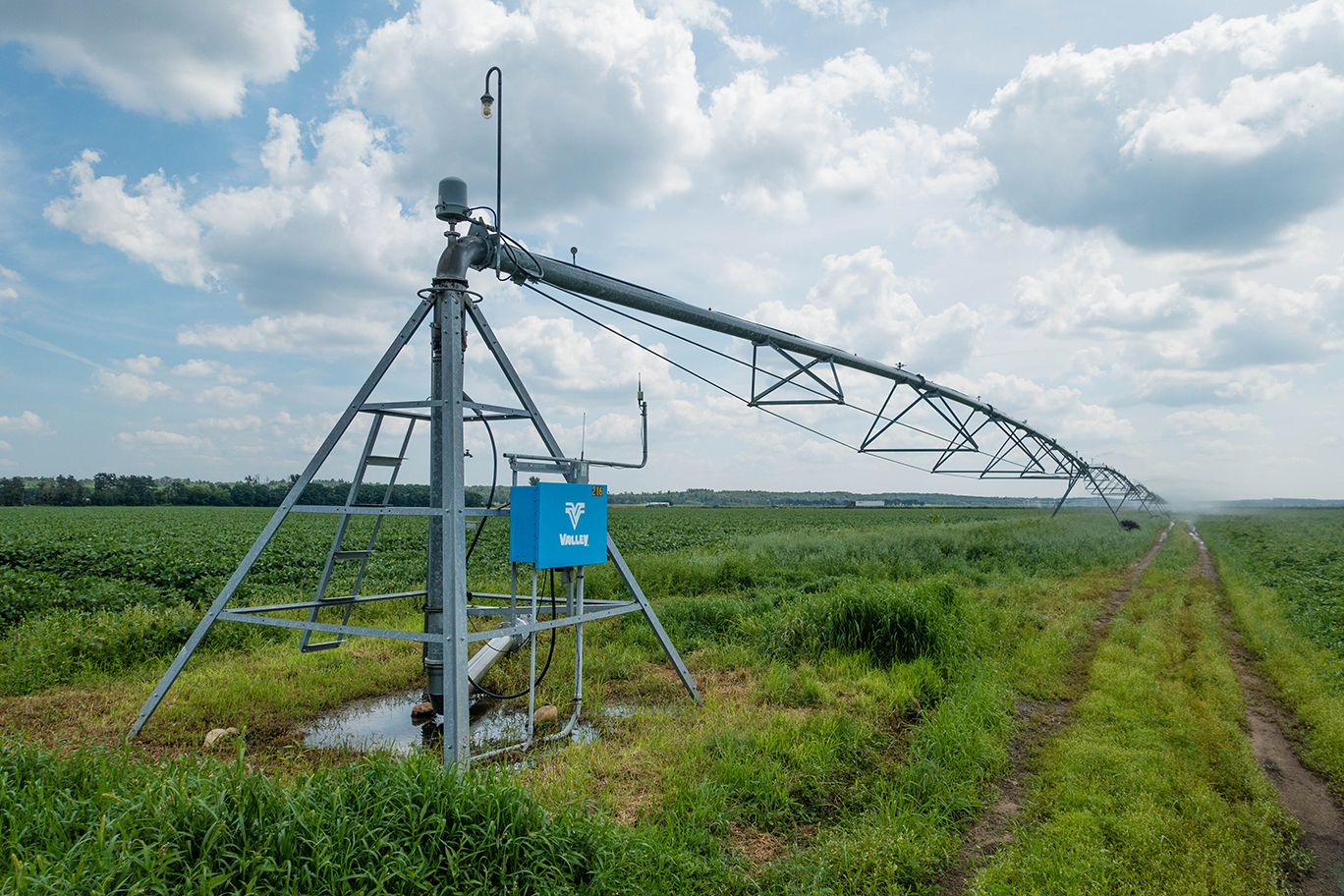
Neonicotinoid contaminants and water quality issues in Wisconsin’s Central Sands
Neonicotinoids are a popular and widely used class of insecticides whose water-soluble nature and 20-year usage history has led to questions about their accumulation in groundwater resources. For this study, we investigated the extent to which irrigation water in center-pivot systems, drawn from aquifers lying beneath conventional agricultural fields receiving commercial quantities of neonicotinoids, is contaminated by such chemicals. Approximately 300 samples were collected from 92 unique high-capacity irrigation wells and tested for thiamethoxam using ELISA kits, with 69% of all samples testing positive above the analytical limit of quantification of 0.05 ppb. The majority of tested wells possessed low levels of contamination, though five wells showed consistently higher levels exceeding 1.0 ppb. An analysis of the spatial structure of these detections suggests that contamination is extremely variable from the landscape scale down to the individual field scale, and that the amount at a particular well can shift by one or two orders of magnitude from year to year and even within a growing season. In this study we also investigated the relationship between these results and certain physical, geographical, and hydrologic factors, and further show how the proportion of landscape surrounding individual wells containing certain crops or land use classes can be strongly associated with detections of neonicotinoid compounds in water from these wells.
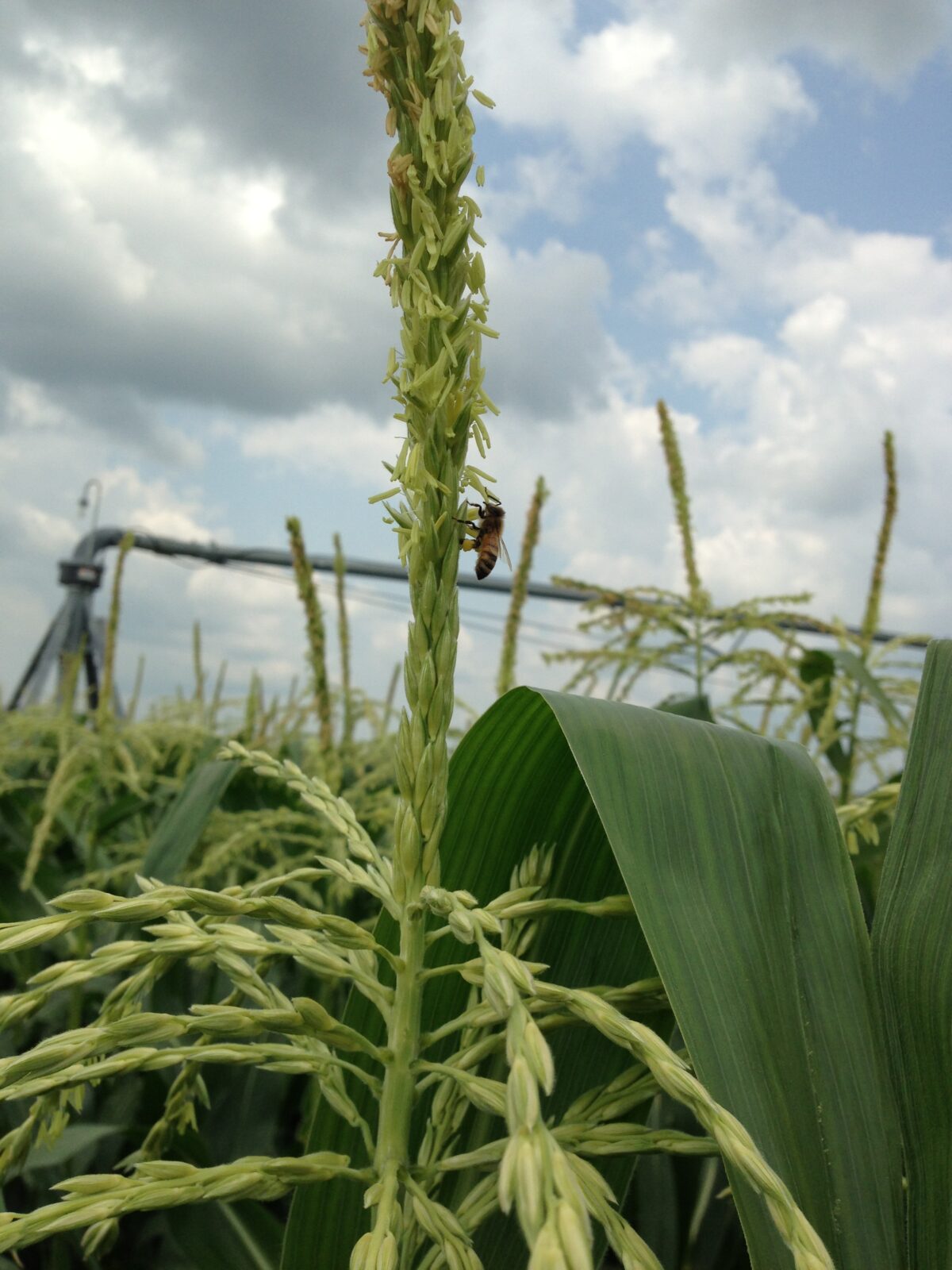
Wild bee communities in Central Wisconsin vegetable crops
Pollinator insects like bees are in decline throughout the United States, and as these species disappear so too may the billions of dollars’ worth of pollination services they provide annually. Previous research suggests that pollinator decline is being caused by interacting factors, including land use change and agrochemical exposure, and these two factors were examined independently in the context of central Wisconsin, where processing vegetable agriculture is a dominant land use. Although bees forage in vegetable fields where they may be exposed to agrochemicals, many of these crops are not pollinator-dependent and have thus been overlooked by previous pollinator research, and the heterogeneity of crop types in this region has an unknown effect on pollinator habitat suitability. This study’s objective was to assess the temporal and spatial overlap of pollinator risk factors by examining the seasonal diversity, abundance, and distribution of bee species present in vegetable fields and comparing the results to seasonal changes in insecticide concentration in the flower and leaf tissues of crops grown with an at-plant neonicotinoid seed coating.
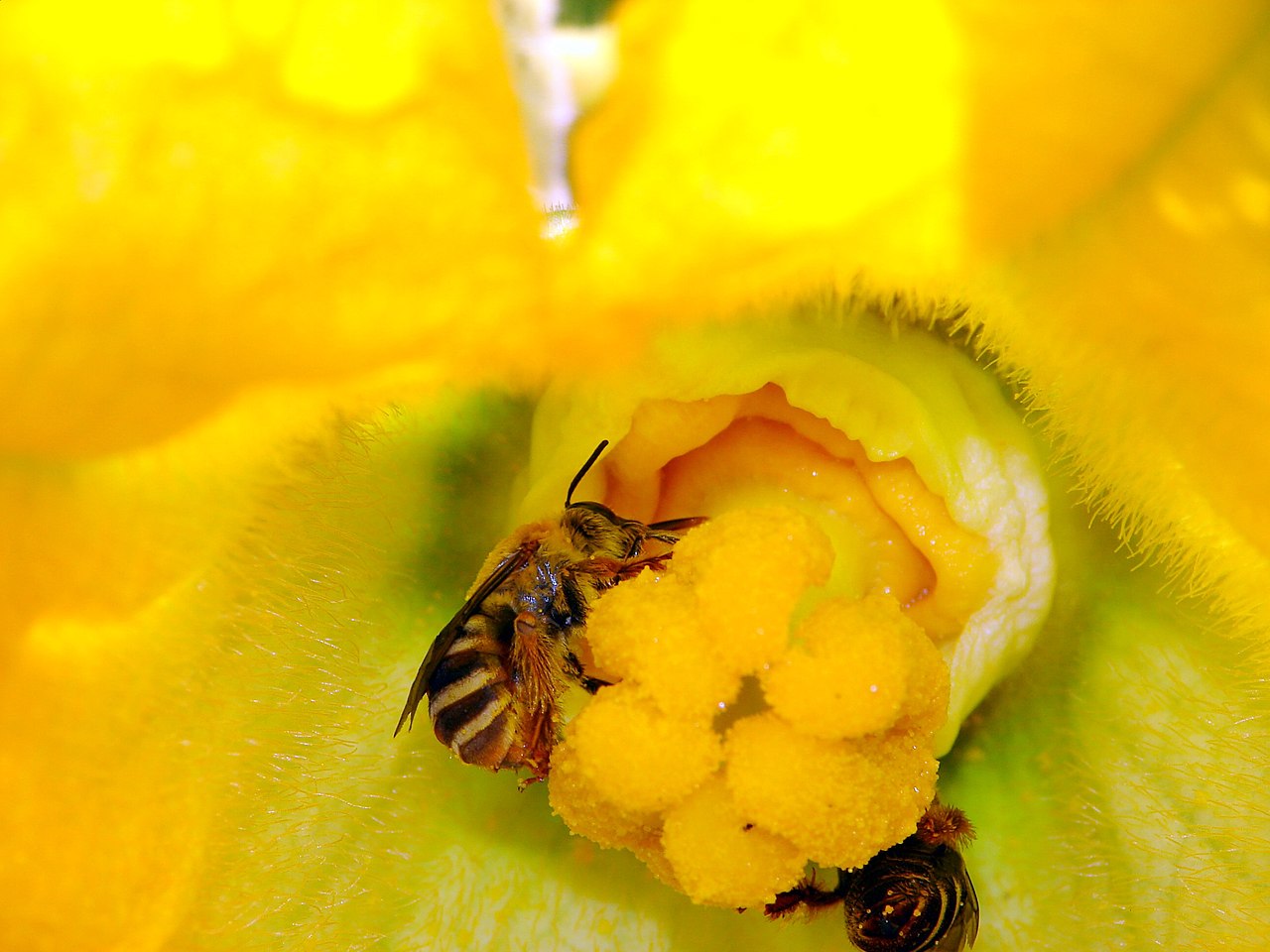
Native bees in cucurbits
The contribution by native pollinators toward pollination has been studied in several crops requiring insect-mediated pollination, including watermelon, pumpkin, and sunflower, but there is a scarcity of research regarding the level of wild bee visitation to open cucumber flowers. We sampled the native bee communities in pickling cucumber in the Central Sands and Driftless Region of Wisconsin to determine whether the landscape surrounding a field impacts the species diversity and abundance of native bees. It is expected that a greater level of natural habitat near cucumber fields can offer alternative floral resources and undisturbed nesting sites for wild pollinators. Additionally, this project examined whether the species assemblage of native pollinators varies based on the date of planting and the distance from field edges.
5. Advancing pest management practices in vegetable cropping systems
Vine crop pest management
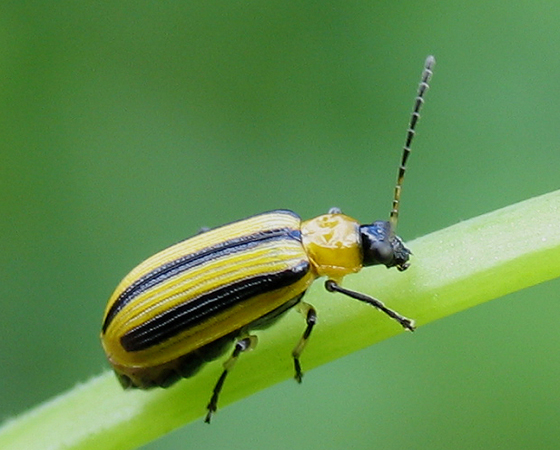
A key limiting factor for all cucurbit farmers includes cucumber beetles (Acalymma vittatum) and the subsequent transmission of the bacterial wilt pathogen, Erwinia tracheiphila. This project focuses on the development of enhanced IPM practices for cucurbit production employing a combination of novel cultural and pest management practices, with a special focus on emphasizing practices that limit impacts on domestic and native pollinators. To date, we have documented significant reductions in both cucumber beetle populations and the bacterial pathogen they transmit in susceptible vine crops using these tactics: mean incidence of bacterial wilt was two to three times less prevalent among grower cooperators who implemented a combination of IPM-based practices when compared to both commercial and organic farm operators. The seasonal abundance and species composition of insect pollinators did vary among farm locations, with Apis and Bombus spp. occurring most frequently. We have demonstrated the ability to significantly reduce reliance on broad spectrum insecticides by incorporating IPM-based cultural practices that prevent damaging beetle feeding.
Non-crop sources of cucumber mosaic virus and implications for management
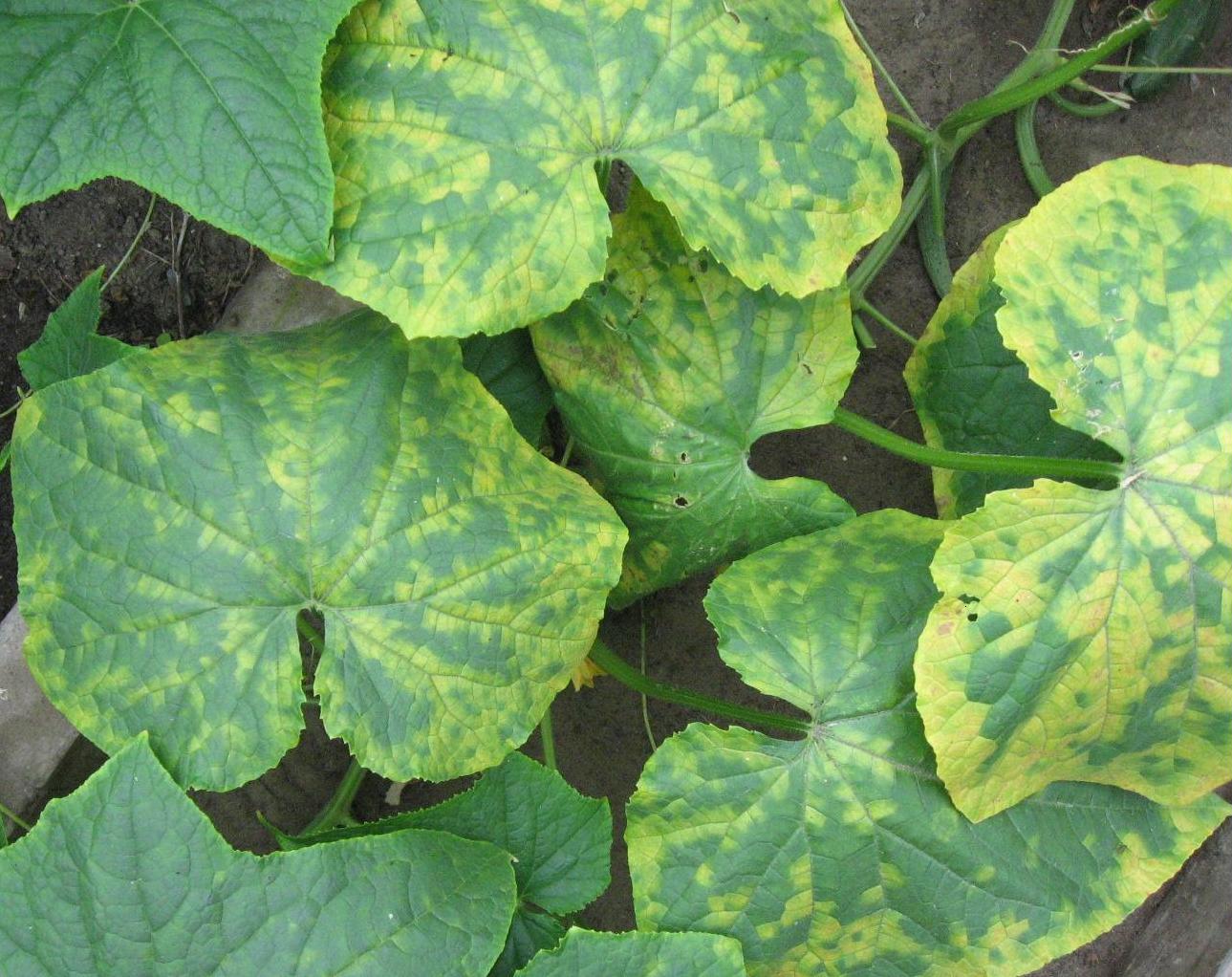
Recently, snap bean (Phaseolus vulgaris L.) and pepper (Capsicum annuum L.) crops in Wisconsin have experienced significant increases in incidence and crop losses associated with infection of cucumber mosaic virus, an increase anecdotally linked to the recent introduction and establishment of the soybean aphid (Aphis glycines Matsumura) in the upper Midwest. Presumably, the unique population biology and dispersal of this species has changed both the spatial arrangement and temporal movement patterns previously observed with respect to CMV in the region. Although significant new information has been developed recently to describe soybean aphid seasonal dispersal, its competence as a virus vector, and the timing of virus increase in susceptible processing snap bean crops, limited information exists to document the primary inoculum sources where these viruses are acquired. Knowledge of which vector species transmit these viruses to processing snap beans in Wisconsin, where they acquire the viral pathogens, when they move into fields, and when they spread the pathogen is critical to understanding and managing the spread of these viral diseases. This project is directed at further enhancing our present understanding of the epidemiology of problematic bean viruses in affected areas of Wisconsin, with objectives to identify and characterize the seasonal abundance of the primary aphid vectors of CMV and AMV among perennial crops in the agricultural landscape, and to compare the genetic structure of CMV and AMV isolates collected from virus-affected susceptible succulent bean plantings, dispersing insect vectors, and potential reservoir hosts.
Onion thrips control using foliar insecticides in dry bulb onion production
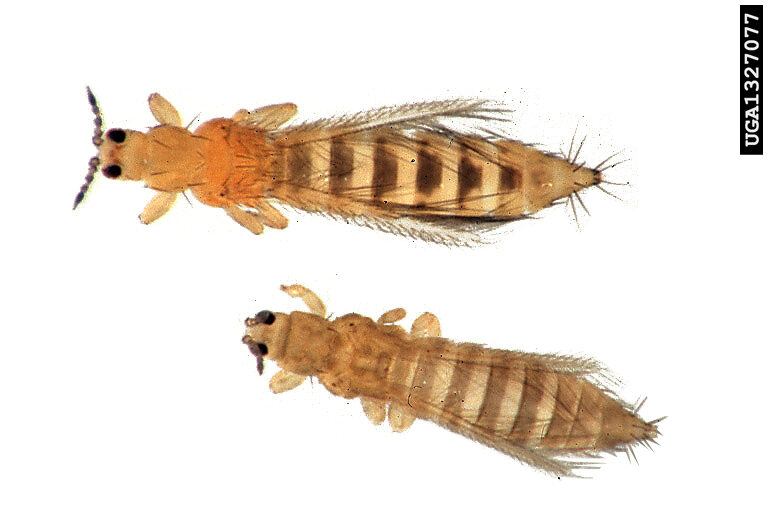
Effective, economical, and efficient long-term management of onion thrips continues to be a challenge in the production of dry bulb onion, and this insect remains a high pest priority for Wisconsin onion growers. Many of the currently registered products for control of onion thrips are not equally effective against the insect. As a result, thrips management is a top priority and an improved understanding of the ecology and management of this pest is essential toward the development of long-term control methods. The objective of this project is to evaluate currently registered and new, potentially efficacious foliar insecticide treatments targeting problematic populations of onion thrips, and to develop efficacy data in support of future registration of novel insecticides with unique modes of action.
Mint bud mite management in Wisconsin peppermint production
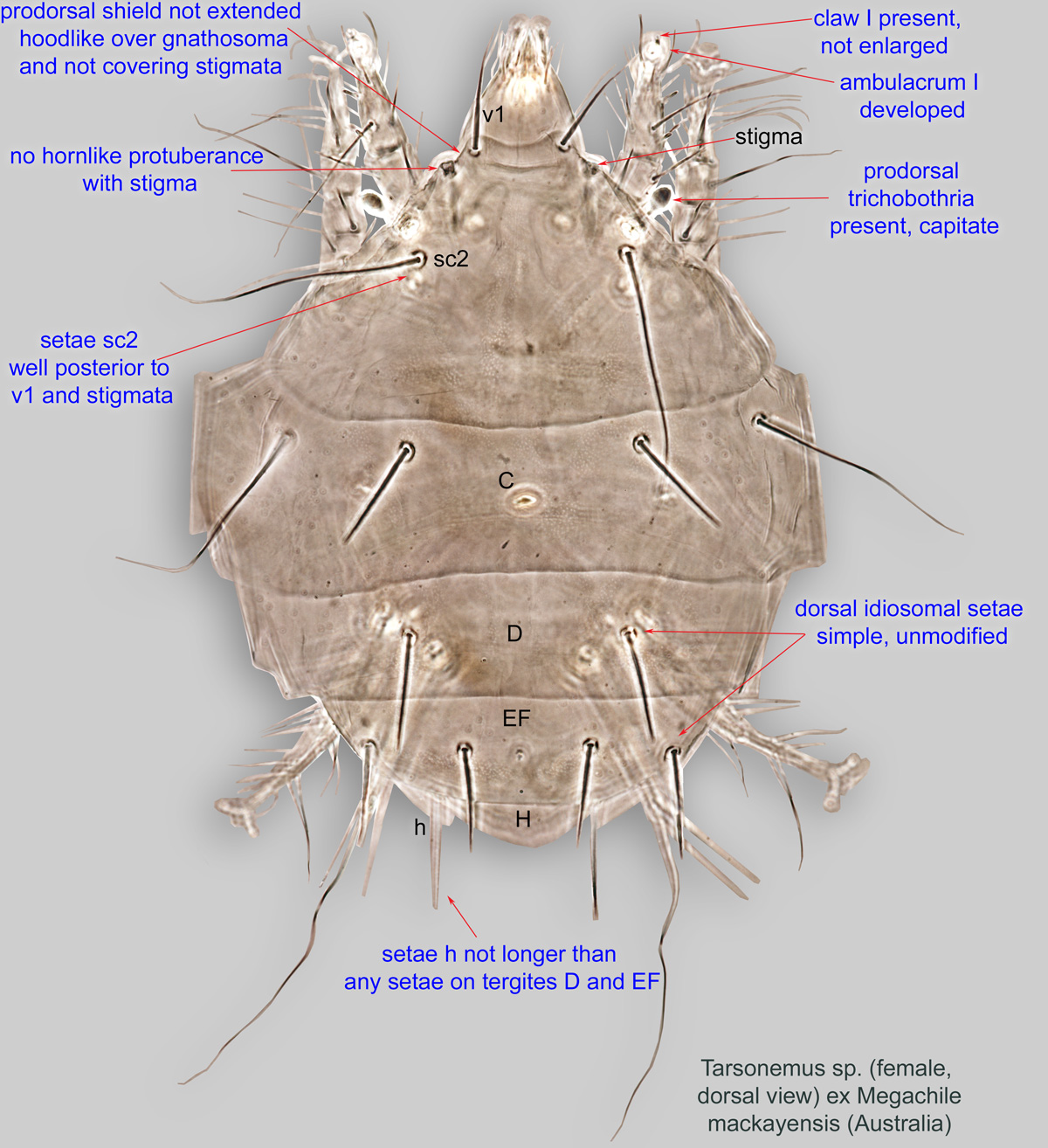
Effective, economical, and efficient long-term management of mint bud mite continues to be a challenge for specific field locations and for the production of black peppermint. In addition to effective crop rotation, bud mites are managed almost exclusively using acaricides, and while some products perform adequately, others continue to perform poorly for reasons that include an inappropriate choice of active ingredient, short residual activity, an application made too late, inadequate coverage, or a resistant population. Wisconsin mint growers, unlike producers in other portions of the U.S., have a limited number of acaricide tools available: propargite (Comite / Omite) and, more recently, fenpyroximate (Fujimite) are the only registered acaricides for use against mint bud mite in the state, and some insensitivity to propargite, combined with concerns regarding environmental persistence, cost, and its listing as a B2 carcinogen, make it an increasingly non-viable option. Spiromesifen (Oberon) is a relatively new mode of action with both insecticide and acaricide activity currently under review with the Federal IR-4 Program, and additional compounds that may show promise include abamectin (Temprano), bifenazate (Acramite 4SC), and diflubenzuron (Dimilin 2L) under optimized spray conditions. Because the use of these new tools has not been well defined in Wisconsin production systems, the goal of this research is to refine the use of Fujimite and Comite and to document the potential of Acramite, Dimilin, Oberon, and Temprano as feasible future control options.