Pests
Click on any of the images or headings below to learn more about each pest.
Pests by Crop
Common Wisconsin vegetable crops, lists of their major and minor pests, and some tips for growing them.
-
Aphids
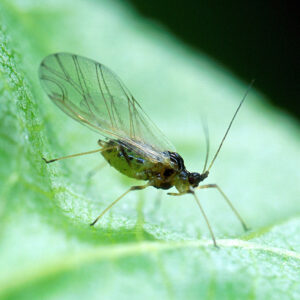
Aphids, also known as plant lice are soft-bodied, sucking insects. They feed on plant sap and excrete a sugary honeydew that attracts ants and creates the conditions for sooty mold, a type of fungus (saprophytic) that feeds on decaying organic matter. There are several aphid species, all belonging to the insect family Aphididae, that are capable of attacking any type of vegetation. Aphids that pose the most serious problem to Wisconsin vegetable production include the green peach, melon, and potato aphids.
-
Armyworms
True armyworm (Mythimna unipuncta) is a pest of corn and small grains known for migrating in large groups when its preferred food source is depleted. The adult moths lay their eggs in lush, green grasses, and the larvae primarily feed on grasses, especially barley, corn, oats, rye and wheat. Pastures and grassy hay fields are also at risk of damage. Adult moths cannot survive the winter temperatures in the Midwest, and as a result they migrate northward on spring storm fronts from the southern U.S. Upon arrival they mate and lay eggs on a variety of grasses and grassy weeds.
-
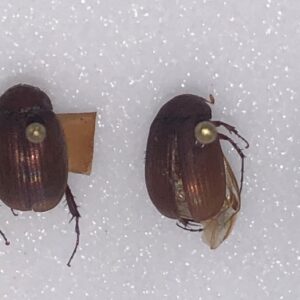
Asiatic Garden Beetle
There’s a new insect pest to have on your radar in Wisconsin—the Asiatic garden beetle (Maladera formosae; formerly Maladera castanea). This species can feed on and damage a wide range of plants including, vegetable crops, field crops, fruit crops, turfgrass, and ornamental flowers, trees, and shrubs in nursery and landscape settings.
-
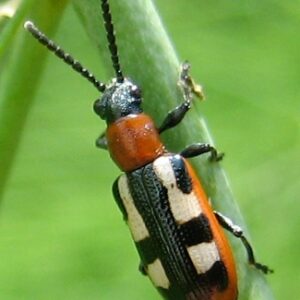
Asparagus Beetle
The common and spotted asparagus beetles are annual pests of asparagus in Wisconsin. The common asparagus beetle is the most prevalent and the only one that causes economic damage to asparagus. Both species of adult beetles have a slim, long shape with hard wing covers. The common beetle is bluish-brown with cream spots, while the spotted beetle is orange with black spots.
-
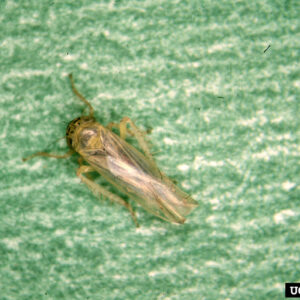
Aster Leafhopper
The aster leafhopper is a serious pest of many plants in the upper Midwest because of its ability to spread aster yellows disease. Aster yellows is untreatable; the only solution is to remove infected plants. Both the insect and the disease can attack a broad range of plants, including vegetables, field crops, flowers, and weeds. Infected flowers, particularly those in the aster family (Compositae), are severely disfigured by the disease, destroying both their visual appeal and their economic value.
-
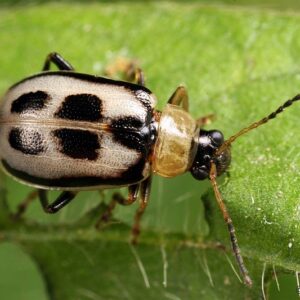
Bean Leaf Beetle
The bean leaf beetle is 1/4 inch long, ranges in color from yellow-green to red, and features four black spots in its back. They have four black spots on their backs, a black triangle on the wing covers behind the head, and a black band surrounding the outer margins of their wings. The larvae are slender and white with dark areas on both ends. Adult feeding can reduce plant vigor and yield by chewing small holes in leaves. Adults also feed on developing pods, causing distortions and making them more prone to infection from pathogens. Larvae feed on roots, nodules, and below-ground…
-
Cabbage Looper
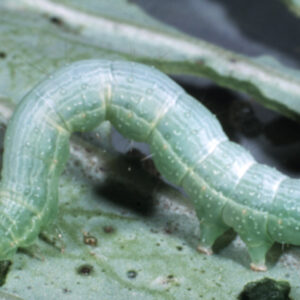
Cabbage loopers, imported cabbageworms (also known as cabbage whites) and diamondback moths are the three most significant caterpillar pests of Wisconsin cole crops, with the imported cabbageworm being the most significant. The cabbage looper attacks beets, celery, lettuce, peas, potatoes, spinach and tomatoes, in addition to cole crops. Damage caused by these pests is generally of little economic importance in Wisconsin.
-
Cabbage Maggot
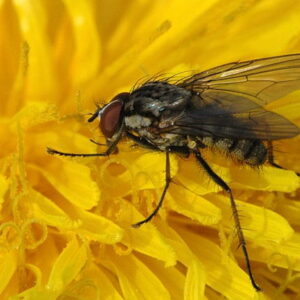
Cabbage maggots are early season pests that feed on the roots and lower stems of all cruciferous crops and weeds. Wounds produced by this feeding can create entry points for several cole crop diseases. Early season transplants and spring roots crops are damaged most severely.
-
Carrot Weevil
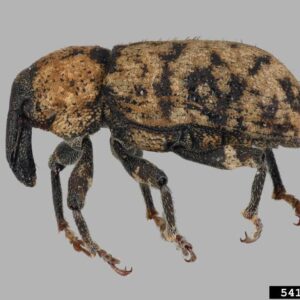
Listronotus oregonensis (LeConte, 1876), commonly known as the carrot weevil, is a species of snout beetle belonging to the family Curculionidae, native to North America. This insect is a significant agricultural pest, primarily targeting crops in the Apiaceae family, including carrots, celery, parsley, and parsnips, where its larvae cause substantial damage by tunneling into roots and crowns. Adults measure approximately 2–6 mm in length, featuring a mottled brown coloration, a distinctive elongated snout, and a hard exoskeleton; they rarely fly and often feign death when disturbed. The species undergoes univoltine development in northern regions, overwintering as adults in plant debris…
-
Colorado Potato Beetle
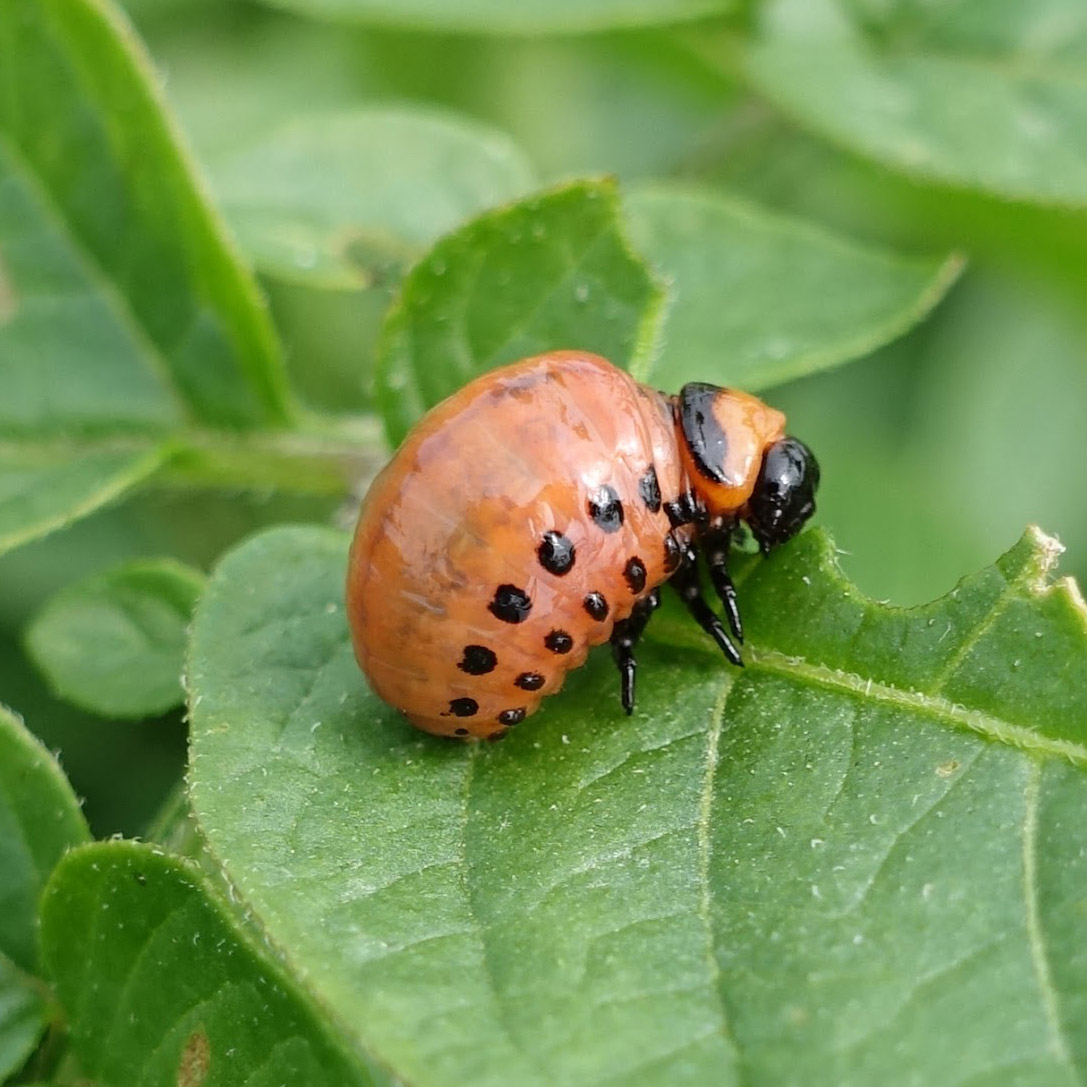
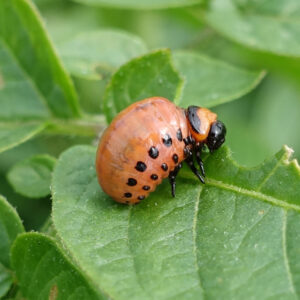
The Colorado potato beetle is a significant pest of potato, eggplant and pepper in home gardens as well as fresh market agricultural production. When not controlled, Colorado potato beetle (CPB) can completely defoliate plants resulting in serious yield losses or even plant death. Beetles prefer to feed on potato, but will also use eggplant and other solanaceous crops. Both larval and adult life stages commonly cause damage to plants throughout the growing season. CPB is a persistent pest annually, once an infestation occurs beetle populations tend to increase annually.
-
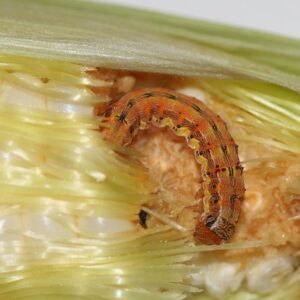
Corn Earworm
The corn earworm can cause serious economic damage to fresh market and processing sweet corn and hybrid dent seed corn. Also known as the tomato fruit worm, the larvae feed on field corn, tomatoes, lettuce, peppers, and snap beans. Full-grown larvae of the corn earworm are olive-brown, tan, maroon, pink, or black with three or four dark stripes along their backs. The head is yellow and not spotted. They measure up to 2 inches long when mature. Adults are robust, grayish-brown moths with a wing-span of 1 ½ inches. The front wings are marked with dark gray, irregular lines with a dark…
-
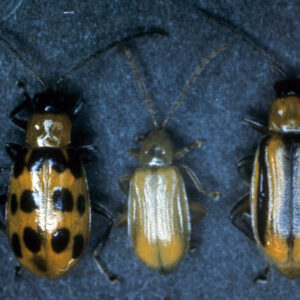
Corn Rootworm
Rootworm larvae are slender, white worms, approximately ½ inch long with brown to black heads and a dark plate on the top side of the rear segment. Northern and western rootworm larvae cannot be differentiated in the field. They feed on crown roots from June to August, causing corn to lodge and “gooseneck.” Rootworms are most serious in loam soils but are of little consequence in muck or non-irrigated sandy soils. The larvae are not a potential problem unless corn is planted on the same ground in a “rootworm area” for 2 or more years in succession. Annual crop rotation controls these insects, because eggs overwinter…
-
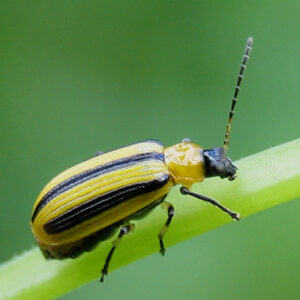
Cucumber Beetles
Striped and spotted cucumber beetles can cause damage in vine crops, but the striped beetle is more common in Wisconsin. Feeding from larvae and adults causes direct damage to roots, leaves, flowers, and fruits. Adults can also vector fusarium wilt and the bacteria, Erwinia tracheiphila. Cucumbers and melons are particularly susceptible to bacterial wilt, and damage from this can be severe.
-
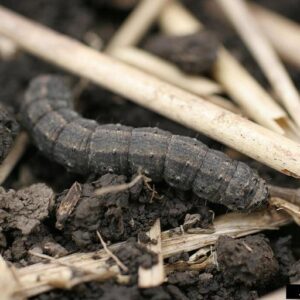
Cutworms
Cutworm is a common name given to the larvae of several species of Noctuid moths. Cutworm larvae feed on newly emerged vegetable crops. The worms are active feeders, clipping many seedlings at or below the soil line in a single night. They prefer crops sown as seed (rather than transplants); susceptible crops include beets, carrots, cucumber, leafy greens, melons, peas, potato, pumpkin, snap beans, squash, and sweet corn. If not controlled, these pests can destroy approximately a third of planting.
-
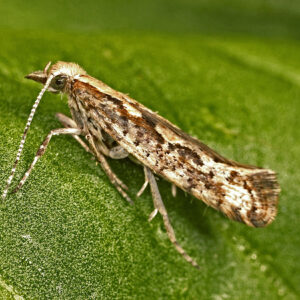
Diamondback Moth
Diamondback moths, imported cabbageworms (also known as cabbage whites or small whites), cabbage loopers and are the three most significant caterpillar pests of Wisconsin cole crops, with the imported cabbage worm being the most significant. Diamondback moths are worldwide pests of cabbage and leafy greens, and have developed resistance to numerous insecticides and several products containing Bacillus thuringiensis (Bt). The diamondback moth attacks cole crops including cabbage, broccoli, cauliflower, Brussels sprouts, kale, collard greens, and kohlrabi. Secondary hosts include root and leafy greens (turnips, rutabagas, radishes, mustard greens, watercress) and some field crops (canola and rapeseed). Damage caused by these pests is generally of little economic…
-
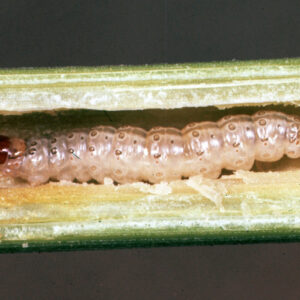
European Corn Borer
European corn borer larvae are between 3/4 to 1 inch long and range in color from grey to creamy white, with a black head and numerous spots over the body. In most of Wisconsin, two generations of eggs are laid on the undersides of leaves. First generation larvae typically cause damage only to leaves and stalks, unless the corn is already tasseling, in which case the larvae will enter the ear. In Southern Wisconsin, begin checking early sweet corn for egg masses by June 15th. Second generation larvae develop from eggs laid in mid-August and cause heavy infestations in late-planted corn.…
-
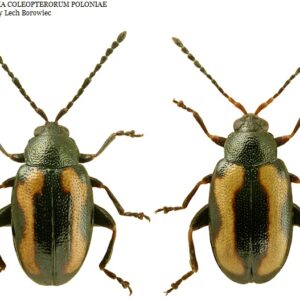
Flea Beetles
Flea beetles are an early-season pest commonly found on all members of the cole crop group, as well as spinach, beets, potatoes, and eggplant. There are several different species of flea beetle that pose problems early in the season when they are considered occasional pests. Host plants of many of the flea beetles are easily identified by their common names. For example, the crucifer flea beetle attacks cole crops and mustards while the eggplant flea beetle is commonly associated with eggplant.
-
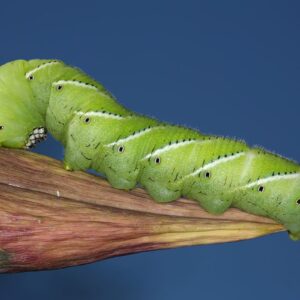
Hornworms
Tobacco hornworms and tomato hornworms are large, blue-green caterpillars with a black spine (or horn) protruding from their last abdominal segment. These insects do not typically reach damaging levels in commercial fields, however, large numbers of larvae can sporadically occur in home gardens. Hornworms feed only on solanaceous plants, most typically tomato. The larvae will also attack eggplant, pepper and potato. Solanaceous weeds such as horsenettle, jimsonweed and nightshade may serve as alternate hosts.
-
Imported Cabbageworm
Imported cabbageworms (also known as cabbage whites or small whites), cabbage loopers and diamondback moths are the three most significant caterpillar pests of Wisconsin cole crops, with the imported cabbageworm being the most significant. Imported cabbageworm adults, commonly referred to as the cabbage white butterfly, are white butterflies with black markings on the wing tips. Female butterflies have 2 black dots on each fore wing; males, which are smaller, have 1 dot per wing. Eggs are yellow and conical, laid individually on the leaf surface and occasionally on the stem. An adult butterfly can lay 300 to 400 eggs in her lifetime. Larvae appear as velvety…
-
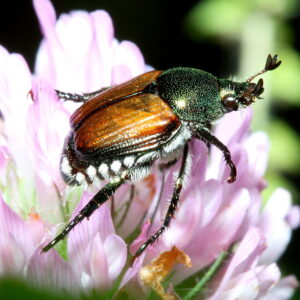
Japanese Beetle
The Japanese beetle is considered the single most important turfgrass-infesting pest in the United States. It was first discovered in the U.S. in southern New Jersey in 1916. Japanese beetles occur in every state east of the Mississippi River except Florida. The insect’s spread is apparently governed by temperature and precipitation. The beetle is adapted to a region where the mean summer soil temperature is between 64° and 82°F and winter soil temperatures are above 15°F. Also, beetles thrive in areas where precipitation is rather uniform throughout the year, averaging at least 10 inches during the summer.
-
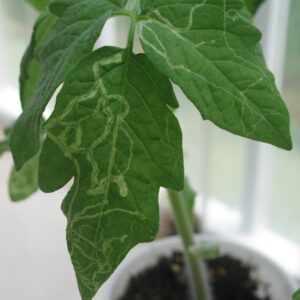
Leafminers
The term leafminer is commonly used to describe flies, moths, sawflies or beetles in the larval stage. However, leafminers that feed on vegetables most commonly belong to the order Diptera – the flies. Leafminers feed on the mesophyll tissue between the upper and lower surfaces of leaves. This region of the leaf is where the plant converts light to energy through the process of photosynthesis.
-
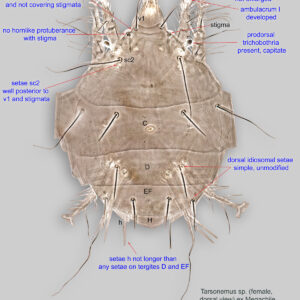
Mint Bud Mite
The mint bud mite, Tarsonemus sp., is a highly destructive pest of Midwestern peppermint. Mint bud mite infestations are typically associated with older stands of peppermint and can result in dramatic reductions in the yield of essential oils. Symptoms, which first appear in mid-season, consist of shortened terminal internodes, curling of new leaves and a twisting or puckering of apical buds. This collection of symptoms is commonly referred to as “squirrelly mint”. However, symptoms are not always readily apparent and mint that looks healthy and productive can have reduced oil yields of 60-80%. Spearmint is less severely damaged but older stands can…
-
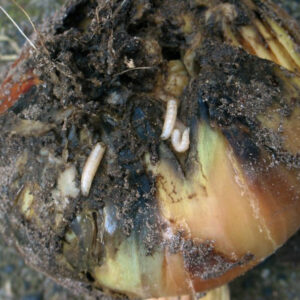
Onion Maggot
Onion maggots are tiny maggots that feed below ground on onion bulbs, making tunnels in the bulbs and potentially allowing disease organisms to enter. These maggots are often the most serious pests of onions, especially where continuous production is practiced. Onion maggots are highly host-specific to plants in the onion family, including onions, leeks, shallots, garlic, and chives.
-
Potato Leafhopper
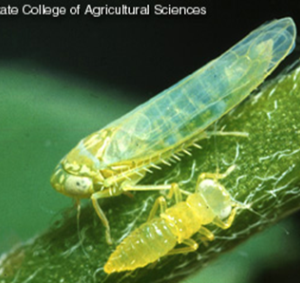
In Wisconsin, the potato leafhopper is a serious annual pest of snap beans and potatoes. Damage caused by leafhoppers includes stunted plants, brown leaves and reduced plant vigor. A wide range of plants serve as hosts for the potato leafhopper (PLH), many are economically important crops. These include alfalfa, apples, and all types of beans, clover, dahlia, eggplant, potatoes, rhubarb, soybeans, strawberries and other bedding plants.
-
Seedcorn Maggot
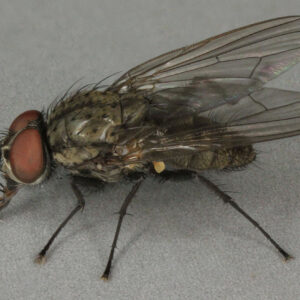
The seedcorn maggot (SCM) is a perennial pest of the germinating seeds and young seedlings of a wide range of vegetable and agronomic crops. In addition to corn, SCM has a large host range including numerous common vegetable crops. SCM can cause economic damage to seeds of artichoke, beet, Brussels sprouts, cabbage, cantaloupe, carrot, cauliflower, cucumber, kale, lettuce, bean (lima, snap, red), onion, pea, pumpkin, tomato, and turnip. In high numbers SCM can decimate entire crop stands if left untreated. SCM can be an increasing problem when susceptible crop crops are planted in succession.
-
Spider Mites
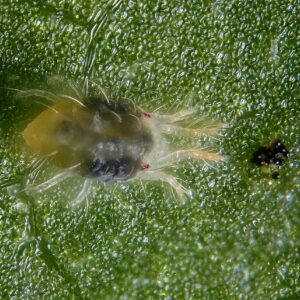
Mites are small arthropods related to insects that belong to subclass Acari, a part of the class Arachnida which also includes spiders, ticks, daddy-longlegs and scorpions. Unlike insects (class Insecta) which have three main body parts and six legs, arachnids have two main body parts and eight legs. There are about 1,200 species of spider mites in the family Tetranychidae. The most common spider mite, the two-spotted spider mite (Tetranychus urticae), has a cosmopolitan distribution and has been recorded on more than 300 species of plants, including all of the tree fruit crops, as well as small fruits, vegetables, and…
-
Squash Bug
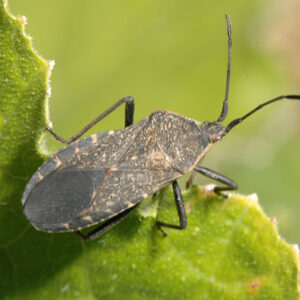
Squash bugs are an emerging problem in Wisconsin. In recent years, these insects have become more prevalent, causing damage to vine crops in commercial fields and home gardens alike. The key to management is early detection. Squash bugs feed on all vine crops, but pumpkins and squash are the preferred hosts with gourds and melons favored next.
-
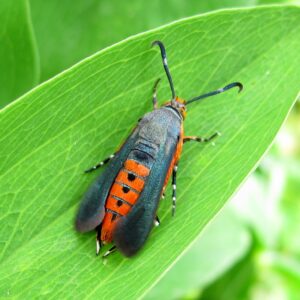
Squash Vine Borer
The squash vine borer is a sporadic pest of pumpkin and squash (e.g. cucurbits). Activity of adult moths and larvae often occurs as the crop is expanding rapidly from late June until the first of August. Resulting damage can be difficult to diagnose prior to significant harm to the plant occurs. In years of heavy infestation squash vine borer can become a significant economic pest in some cucurbit crops.
-
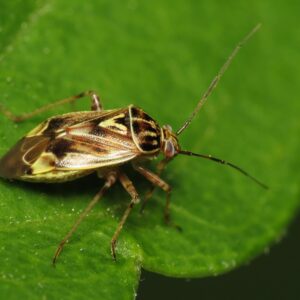
Tarnished Plant Bug
Tarnished plant bugs (Lygus lineolaris) are 1/4 inch, tan to dark brown oval insects with piercing sucking mouthparts. They attack more than 50 different economic crops but are most damaging to strawberries, peppers, tomatoes and all bean crops in Wisconsin. Feeding by these insects causes poor fruit set and gnarled fruit due to the toxic saliva they inject into the plant. They are highly mobile insects that overwinter in field debris and large numbers of adult plant bugs migrate out of alfalfa fields when hay is cut.
-
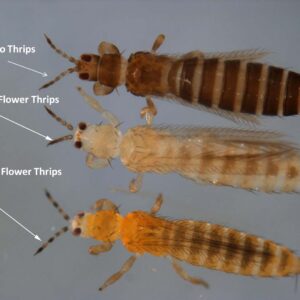
Thrips
Order Thysanoptera (thrips) Family Thripidae Species Thrips tabaci (onion thrips)Species Frankliniella fusca (tobacco thrips)Species Frankliniella occidentalis (Western flower thrips)Species Frankliniella tritici (Eastern flower thrips) Description Thrips, including onion thrips (Thrips tabaci) are an important annual pest of onion. They may attack nearly all garden crops, but serious damage is generally limited to onions, cauliflower, cabbage, cucumber, and tomatoes. Adult onion thrips are about 1/12” long, thin, and pale yellow to brown in color. Their wings have no veins and are fringed with long hairs. Nymphs resemble adults except they are smaller and lack wings. Symptoms and effects Onion: Mass immigration to…
-
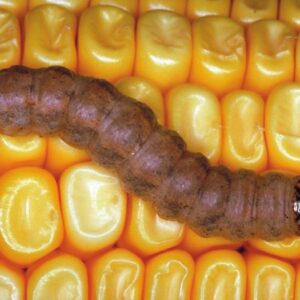
Western Bean Cutworm
Western bean cutworm (Striacosta albicosta) is native to North America and has traditionally infested crops in the central High Plains and western Corn Belt states. Since 2000, however, western bean cutworm (WBC) has expanded its range eastward into the Midwest; it was first detected in Wisconsin in 2005. A late-season pest of field and sweet corn, WBC larvae feed on corn ears, damaging and consuming kernels. Unlike corn borers, they do not tunnel into stalks.
-
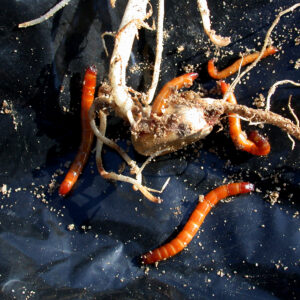
Wireworms
Wireworms include the larvae of several species of click beetles (beetles that flip into the air with an audible click when turned upside down). These larvae feed primarily on grasses and grass crops such as corn. However, they have a broad host range that includes beans, beets, cabbage, carrots, ginseng, lettuce, onion, peas, potatoes, radishes, as well as herbaceous ornamentals.
Last updated: