Integrated Pest Management
IPM stands for Integrated Pest Management. A program started in the 1960’s, IPM encourages the development of pest control methods that reduce dependence upon those insecticides that have health or environmental risks. It coordinates the use of pest biology, environmental information, and multiple pest management tactics to prevent unacceptable levels of pest damage by the most economical means.
IPM components include:
- Host plant resistance — Developing (through traditional breeding techniques) crop varieties that are resistant to common pests
- Predictive modeling – Using weather data and insect development models to track and predict pests and crop risk
- Population monitoring — Monitoring pest populations and using chemical control only when pest populations reach economically damaging levels (economic thresholds)
- Cultural control — Using techniques such as crop rotation to disrupt life cycles of pests that complete their life cycle in one crop
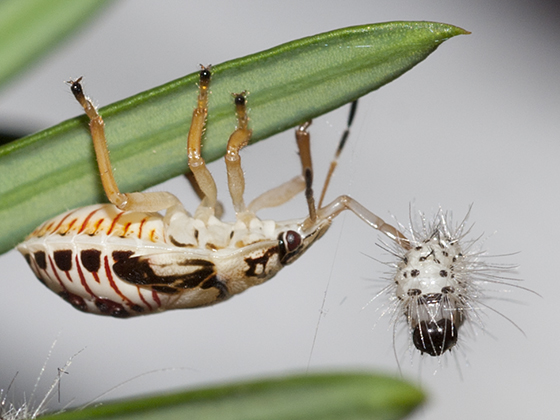
- Biological control — Using natural enemy predators (e.g. lady beetles) and parasitoids (e.g. tiny stingless wasps) to suppress insect pest populations
- Chemical control — Evaluating new, safer products and determining ways that all insecticides can be used more safely
IPM Resources:
- Integrated crop and pest management – University of Wisconsin Extension
- Vegetable IPM resource for the Midwest – University of Minnesota Extension
- DATCP Field Notes Newsletter – Wisconsin Department of Agriculture, Trade, and Consumer Protection
- North Central IPM Center
- Insecticide resistance: causes and action – North Central IPM Center and Insecticide Resistance Action Committee PDF
Greenhouse and Hoophouse IPM:
- Biological control of insects and other pests of greenhouse crops – North Central Regional publication (PDF)
- Insect pest management for greenhouses – UW Extension publication (PDF)
Organic Resources:
- UW Organic Collaborative – https://uworganic.wisc.edu/
- Organic Transition Organizations & Contacts – https://cropsandsoils.extension.wisc.edu/organictransition-organizations/
Last updated: